25 September 2025
European Parliament, Brussels
Introduction
Rising temperatures and increased rainfall create ideal conditions for mosquitoes and other disease-carrying
vectors to thrive and expand into new regions. As a result, outbreaks of diseases such as dengue, chikungunya, and West Nile Fever are now occurring in areas – including parts of Europe – where they were previously rare or absent. These outbreaks carry the risk of becoming endemic or even pandemic, are extremely difficult to control once established, and pose serious threats to vulnerable populations.
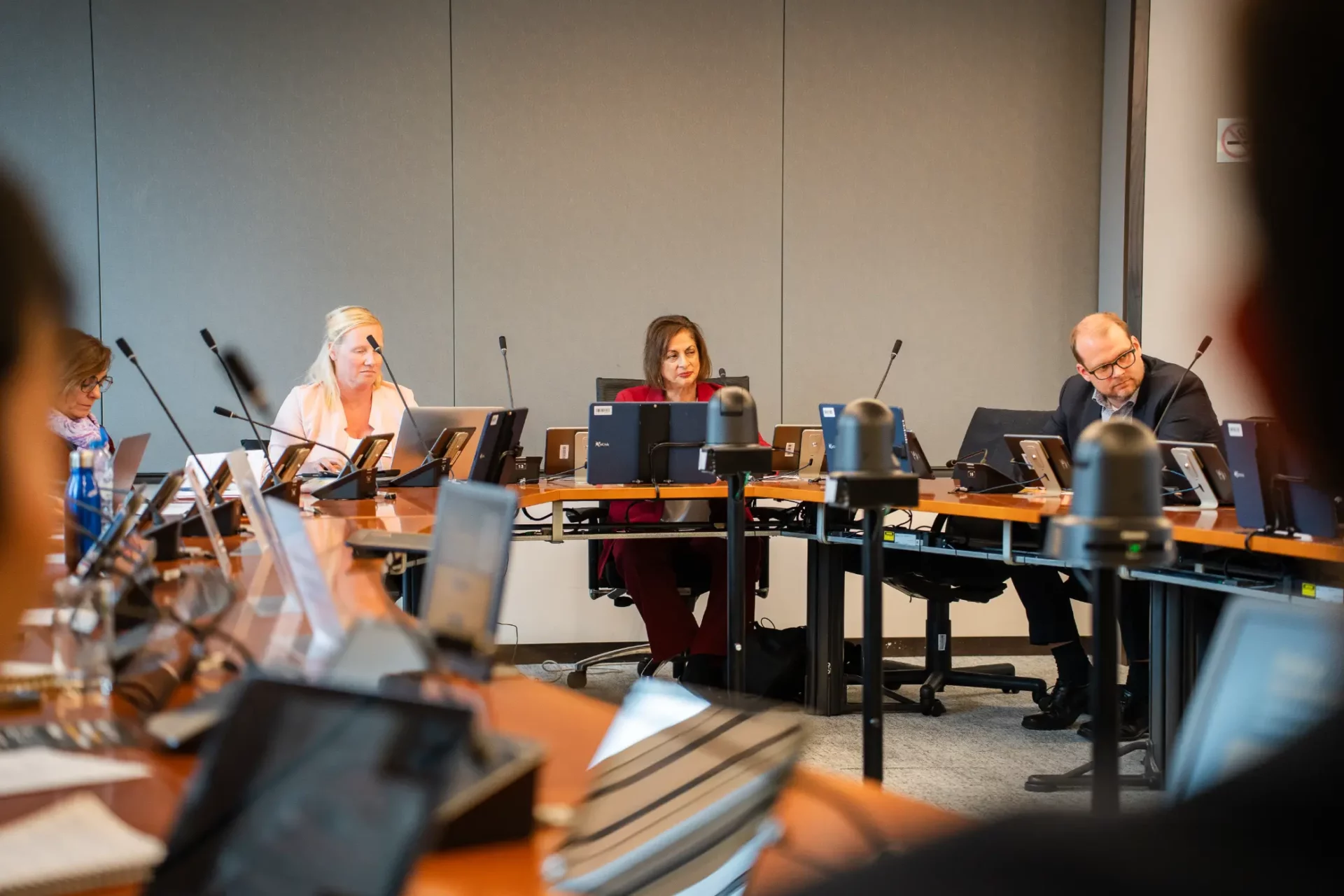
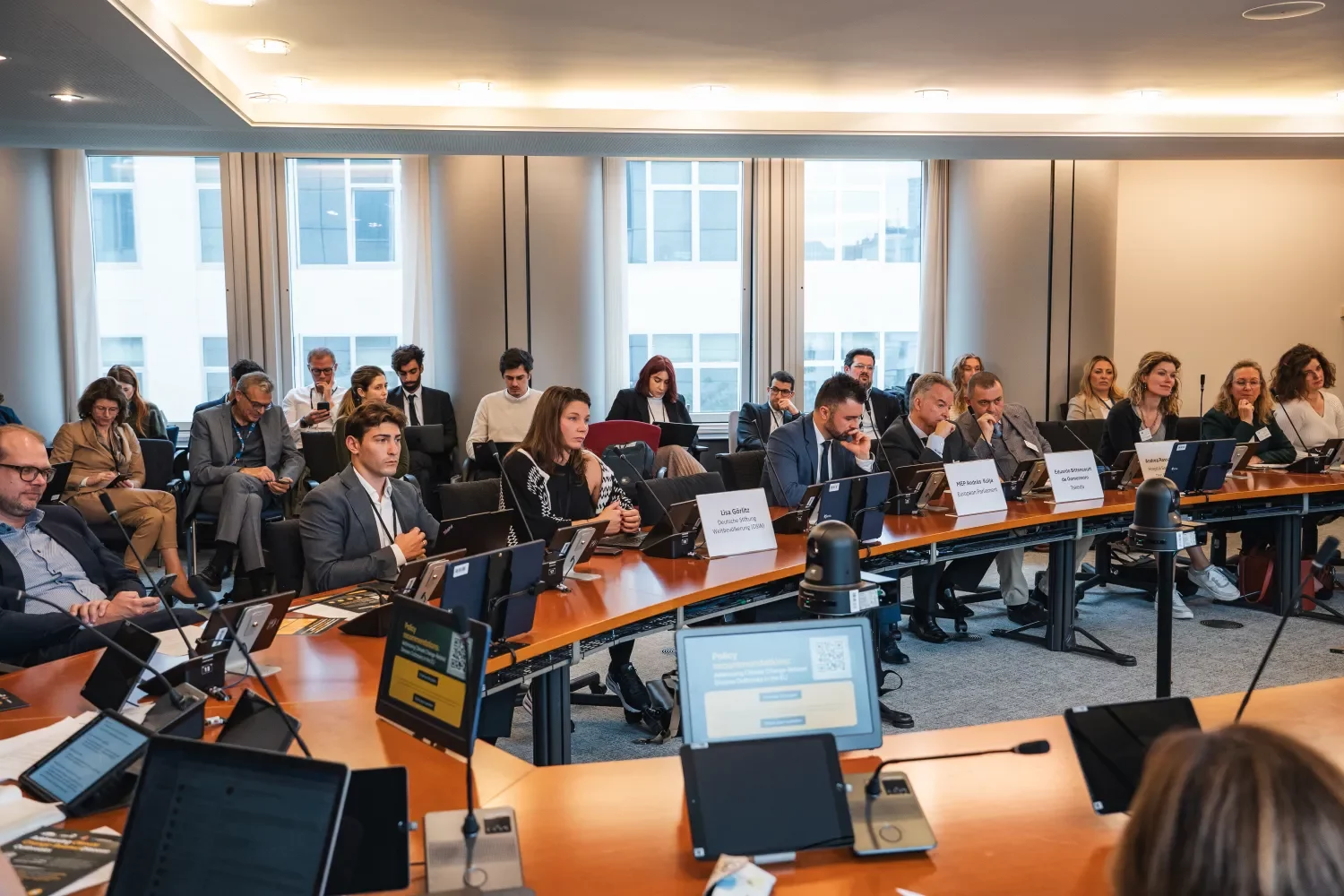
On 25 September, at the European Parliament in Brussels, MEP András Kulja (EPP, Hungary) hosted the launch of a set of multi-stakeholder policy recommendations co-developed by Valneva, Takeda, Deutsche Stiftung Weltbevölkerung (DSW), and the International Society for Neglected Tropical Diseases (ISNTD) on how the EU and Member States can strengthen health security and preparedness to address the urgent challenge of climate-driven diseases.
Welcoming Remarks by MEP András Kulja (EPP, Hungary)
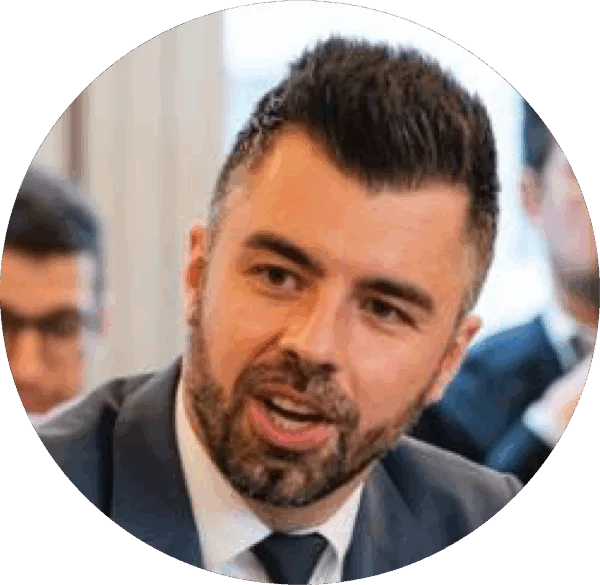
MEP András Kulja, MD and public health specialist, emphasized the interconnected nature of demographic challenges and health risks in Europe. He highlighted climate change as a growing health crisis, noting its impact on air quality and the added pressure on vulnerable populations. He cited the spread of West Nile virus in countries such as Italy, Greece, and Romania, which has caused a significant number of deaths, as well as the emergence of dengue and chikungunya in Europe, both of which are extremely difficult to control. With Europe’s population aging, many with underlying health conditions, MEP Kulja stressed the urgent need for discussion and action.
He called for an EU Climate & Health Preparedness Framework as a vital tool for managing climate-driven disease threats, with better EU-level coordination and harmonization of surveillance and resilience frameworks. He emphasized that the Health Emergency Preparedness and Response Authority (HERA) and the European Centre for Disease Prevention and Control (ECDC) must be adequately resourced to manage outbreaks, and that cross-border resilience and investment in preventive research are crucial, as prevention is far more cost-effective than crisis management. MEP Kulja also underscored the importance of public trust, support for developing countries, and decisive action to protect societies. Speaking as a member of the European Parliament’s Committee on Public Health (SANT), he noted that the European Parliament aims to harmonize measures, even though health remains primarily a Member State competence, and acknowledged the ongoing challenge of balancing investment in health with other priorities such as defense. Finally, he addressed the complexity of vaccine issues and stressed the value of diverse inputs in shaping effective EU health policy.
Panel debate featuring
- Dr Florika Fink-Hooijer, Director General, DG HERA, European Commission
- Prof Henrik Salje, University of Cambridge, Infectious Diseases
- Marianne Comparet, Director, International Society for Neglected Tropical Diseases
- Prof Andrea Rossanese, Centre for Tropical Diseases, Hospital Sacro Cuore Don Calabria
- Dr Eduardo Bittencourt de Gomensoro, Global Medical and Scientific Affairs, Takeda
Moderated by Anya Sitaram
The panel debate focused on the growing threat of climate-sensitive, mosquito-borne diseases, such as dengue and chikungunya, emphasizing their expanding geographic range due to climate change and urbanization. Prof. Salje highlighted the projected increase in outbreaks across Europe and stressed the importance of building adaptation capacity and investing in evidence-based research to anticipate and manage disease spread.
Dr. Fink-Hooijer emphasized the economic and health-system costs of vector-borne diseases, the role of climate change, biodiversity loss and environmental degradations in exacerbating risks, and the need for coordinated EU-level action. It was highlighted that mosquito-borne diseases have been identified in the EU Medical Countermeasures Strategy as a key risk Europe must prepare for, with potential pandemic consequences. She further underlined the adoption of a whole-of-society approach to preparedness, looking at the full range of tools and instruments at our disposals, from diagnostics and community awareness to mosquito nets. Dr Fink-Hooijer also noted that the European Commission is funding innovation actions focusing on new vaccines, antiviral treatments, and diagnostics tests, and highlighted the need for a joint responsibility approach, including cooperation with the WHO, Africa CDC and other international partners. Lastly, she stated that HERA is working on adaptation, focusing on early detection, innovative MCM’s and their stockpiling. Marianne Comparet reinforced the urgency of early, cross-sector response, citing past outbreaks in Madeira, Southern France, and China.
Prof. Rossanese highlighted the role of travelers as sentinels for outbreaks and advocated for monitoring, travel medicine involvement, and targeted vaccination strategies. Dr. Bittencourt de Gomensoro reminded that we have the opportunity to control and prevent these diseases before they become established, as vaccines remain the most effective tool, while combining medical countermeasures, education, and community engagement is essential for disease control. Across the panel, participants emphasized preparedness, surveillance, urban planning, and public trust, calling for a whole-of-society and whole-of-government approach to mitigate emerging vector-borne threats in Europe and globally.
Multi-stakeholder discussion
Following the panel discussions, participants joined in a dynamic exchange focused on evidence-based policy, cross-border collaboration, and investment in global health. Lisa Goerlitz (DSW) highlighted the European Parliament’s influence, despite health being primarily a Member State competence, commending the European Commission’s commitment to vector-borne diseases in the Medical Countermeasures Strategy and stressing the Parliament’s role in ensuring the success of initiatives supporting developing countries.
Marta Valenciano (DG SANTE) outlined the EU’s strengthened cross-border regulations, vector surveillance through ECDC, and the importance of partnerships with key stakeholders, noting that these initiatives remain high on the Commission’s agenda. Alison Maassen (EuroHealthNet) raised questions about aligning EU strategies with WHO’s Preparedness 2.0 strategy, capacity building, and investments in health systems in the context of climate change.
Dr. Fink-Hooijer discussed collaboration with WHO Europe and ECDC, the use of digital health tools, and the importance of data exchange for surveillance and detection, including wastewater surveillance. She also mentioned DG HERA’s efforts in co-financing vaccines, such as the Chikungunya and Dengue vaccines, and financing new ones through Horizon Europe. Rolando Tomasini (PATH) emphasized leveraging evidence based
approaches and digital health solutions effectively. Marianne Comparet highlighted ongoing South–South collaboration, citing Grenada as an example of proactive dengue management. Prof. Salje stressed the critical need to develop a strong evidence base, particularly given subclinical infections and constrained fiscal environments, highlighting the potential of AI tools to inform policy and preparedness.
Prof. Rossanese emphasized that confirmed vaccine data is crucial for maintaining public trust, while Dr. Bittencourt de Gomensoro underscored that vaccination remains the most effective life-saving measure and that both practitioners and the public must be educated. MEP Kulja noted the complexity of immunisation programmes, underlining the importance of health literacy and clear political communication, while keeping trust in science. He also raised concerns about the science scepticism trends coming from far-right political groups.
Closing remarks
- Marianne Comparet underscored the paradox of the mosquito which reminds us that half the world is at risk, and only through clear communication and collective action can we turn peril into preparedness.
- Prof. Salje discussed the impact of climate change on mosquito seasonality and transmission dynamics, stressing that Europe must anticipate broader mosquito seasons, prepare for potential outbreaks, and learn from global experiences.
- Prof. Rossanese emphasised the challenge of identifying outbreak risks and called for stronger vector control, surveillance, and preparedness and regional coordination across Europe.
- Dr. Bittencourt de Gomensoro underlined that European unity is essential, and public health partnerships together with improved health literacy are key for better preparedness.
- Dr. Fink-Hooijer concluded by emphasising the importance of demonstrating actionable responses and rallying for mitigation. She highlighted the European Parliament as a key partner in advancing R&D and stockpiling efforts, framing direct funding for activities as a high-priority investment with tangible positive mpact rather than a lost expenditure.